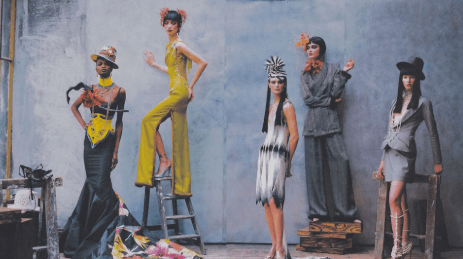

Fashion operates as a cultural art form when design encodes social values, memory, and collective identity through deliberate texture, silhouette, and ritual. It translates ordinary experience into symbolic language, enabling communities to negotiate power and belonging while preserving creative autonomy. Identity aesthetics emerge as designers craft ensembles around shared narratives, memory, and critique. In modern contexts, fashion links tradition with innovation, turning fabrics into living canvases that both reflect and shape cultural expression, inviting further inquiry.
What Makes Fashion a Cultural Art Form
Fashion functions as a cultural art form because it simultaneously encodes social values, historical memory, and collective identity. The phenomenon rests on deliberate choices, textures, and silhouettes that translate everyday experience into symbolic meaning. Identity aesthetics emerge through design choices, while ritual textiles anchor tradition within modern contexts, enabling communities to negotiate power, memory, and belonging without surrendering creative autonomy.
How Fashion Reflects Identity Across Communities
Across communities, clothing functions as a visible archive of values, rituals, and status, revealing how groups negotiate belonging and difference. Fashion evidences identity through symbolic cues, shaping perception and interaction across social boundaries. By articulating cultural symbolism and preserving community memory, ensembles translate collective narratives into personal presentation, reinforcing cohesion while enabling critique, adaptation, and transgression within evolving cultural landscapes.
From Tradition to Trend: Textiles, Craft, and Innovation
Textiles and craft sit at the intersection of memory and invention, where longstanding techniques meet contemporary experimentation to shape modern wardrobes.
The discussion explores textile heritage as a living archive, revealing how pattern, fiber, and method encode culture while inviting innovation.
It also considers craft ecosystems—collaborations that sustain artisans, institutions, and markets—driving responsible creativity beyond novelty toward durable, contextual fashion futures.
Reading Fashion as Social Change and Historical Memory
Reading fashion as social change and historical memory treats garments as both evidence and agents: artifacts that record power, identity, and resistance, and instruments that shape everyday behavior. The analysis situates attire within broader cultural dynamics, linking personal style to collective memory and social reform. It foregrounds reading fashion as social change, historical memory, and cultural identity while maintaining clear, contextual rigor.
See also: Predictions for Crypto in the Next Decade
Frequently Asked Questions
How Does Fashion Influence Daily Communication Beyond Clothing?
The influence lies in dress code and visual semiotics shaping how messages are perceived daily; symbols govern tone, credibility, and inclusion, enabling rapid communication while framing identity, authority, and freedom within social contexts.
Can Fashion Alter Political Power Dynamics Within a Culture?
Fashion can influence political power, reshaping power dynamics as symbols and attire signal legitimacy, dissent, or conformity within societies; fashion politics interacts with institutions, markets, and media to recalibrate authority, visibility, and legitimacy in culturally constrained contexts.
What Role Do Gender Norms Play in Fashion’s Cultural Impact?
A striking 62% statistic shows fashion’s power to reflect shifts in gender roles; dress symbolism reinforces or challenges norms. The analysis suggests gender norms shape cultural impact, as ensembles encode authority, identity, and resistance within communities, enabling freer expression and critique.
How Do Global Brands Affect Local Textile Traditions?
Global brands refract local textile traditions, shaping supply chains and aesthetics; fashion archives reveal tension between homogenization and revival, guiding future designers toward hybrid vocabularies that honor heritage while inviting experimentation within a globally-inspired framework.
In What Ways Do Fashion Archives Shape Future Designers?
Fashion archives guide future designers by preserving techniques, silhouettes, and narratives, enabling critical comparison and innovation; they function as contextual reference points, shaping methodological choices, ethical considerations, and freedom to reinterpret heritage within contemporary practice.
Conclusion
Fashion operates where material craft meets collective memory. Textiles anchor tradition; silhouettes signal change. Juxtaposition reveals tension: enduring rituals persist alongside disruptive trends, authority coexists with dissent, and individual expression negotiates communal codes. As fabrics travel—from atelier to street—they translate power, identity, and critique into wearable meaning. Thus fashion is not merely decoration but a cultural archive in motion, revealing who communities were, who they are becoming, and how they choose to remember and transform their shared future.
